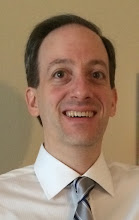
After my third round victory over Dowling, I owned clear first place with the only perfect score, setting up a round four showdown with Miller, who had two wins plus a half point bye. I defeated Miller to move a full point ahead of the rest of the field with two rounds to go. I have a long history with Whorton, my fifth round opponent; I have faced him 39 times at regular time controls, more than any other opponent other than four-time Ohio Champion (1958, 1975-76, 2005)/two-time DCC Champion (2005-06) Ross Sprague (who I faced 52 times at regular time controls). I defeated Whorton en route to a 3-0 start in the 2014 DCC Championship but I did not finish that event well. My most memorable game with Whorton is probably our encounter in round six of the 2012 DCC Championship. Whorton had White and only needed a draw to clinch clear first but I won in 42 moves to join Whorton (and Richard Mercer) in the winner's circle. This time, a win would clinch me clear first while Whorton needed a win to pull even with one round to go. I had to maintain the delicate balance between not taking too many risks and not playing so conservatively that I drifted into a passive position, while Whorton had to take calculated risks to complicate the position.
Here are the moves from my game versus Whorton, along with some brief annotations:
[Event "DCC Championship 5/2/15 (6)"] [White "Friedman, David"] [Black "Whorton, Les"] [Result "1-0"] [ECO "B33"] 1. e4 c5 2. Nf3 Nc6 3. d4 cxd4 4. Nxd4 Qb6 5. Nb3 Nf6 6. Nc3 e6 7. Be3 Qc7 8. a3 This is a good prophylactic move, denying Black use of the b4 square. Be7 9. Be2 O-O 10. O-O Rd8 11. f4 d5 12. e5 Nd7!? (...Ne4) 13. Nb5 White is slightly better. Qb8 14. Bd3 g6 15. Qg4 b6 16. h4!? (N5d4 is more solid) Nc5= 17. Nxc5!? (N5d4) bxc5 18. h5! Fortune favors the brave! I only needed a draw to remain a point ahead of the field with one round to go but this is the best and sharpest continuation. c4?? (Kg7) 19. hxg6+- cxd3 20. gxf7+!? (gxh7+ +-) Kh8?? (Kxf7 is Black's only chance, though White is better after Qh5+) 21. Rf3 Ba6 22.Rg3 Rg8 23. fxg8(Q)+ Qxg8 24. Nc7
Now the only remaining questions were if I would finish with a perfect score and if a perfect score would be enough to push my rating above 2200. I completed the tournament with a 44 move victory as Black against Bruce Bryant, who earned an upset win against Dowling in round five. Not including Alex Goldin, a Grandmaster who once ranked in the top 100 in the world who did not reside in Dayton but inexplicably elected to play in a tournament otherwise comprised of dedicated amateurs, the last time a DCC Champion achieved a perfect score was 1984 (Jim Jordan). Ling is the only player who is confirmed to have posted two perfect scores in DCC Championship play (1965, 1973). My new rating of 2190 is a career-high and just 10 points short of the National Master title that I have been chasing for quite some time.
Cao scored 4/6 to claim clear second, while Miller and Whorton drew to join a four way tie for third place.
Here is the complete list of DCC Champions, along with available score information (to the best of my knowledge, this score information has never been previously published in one place). I will continue to update the scores until they are complete, much like I did in History of the Ohio Chess Congress. The score data prior to 1988 is courtesy of the Ohio Chess Bulletin, the Dayton Chess Club Review and Bill Wall's History of the Dayton Chess Club. Wall's article is excellent in many respects, though I did find at least one error; he states that Blossom scored 5-0 in the 1987 DCC Championship but both the original wall chart and the crosstable published in the September-October 1987 Ohio Chess Bulletin show that Blossom scored 5/6 before defeating Burk in a one game playoff.
The 1988-2015 data comes from my own records (I participated in every event except for 1996) and from USCF crosstables.
| DCC Champions, 1959-2015 | ||||||
| 1959 | J. Fink 5.5/6 | |||||
| 1960 | H. Fleat 6.5/7 | |||||
| 1961 | R. Ling 5.5/6 | |||||
| 1962 | V. Zukaitis | |||||
| 1963 | D. Wolford | |||||
| 1964 | D. Wolford | |||||
| 1965 | R. Ling 5/5 | |||||
| 1966 | R. Ling | |||||
| 1967 | R. Ling 3/4 (match) | |||||
| 1968 | R. Buchanan 4/5 | |||||
| 1969 | D. Wolford 4/5 | |||||
| 1970 | V. Burk 4.5/5 | |||||
| 1971 | C. Unruh 5/5 | |||||
| 1972 | D. Wolford 5/5 | |||||
| 1973 | R. Ling 5/5 | |||||
| 1974 | B. Espedal 6/6 | |||||
| 1975 | A. Casden 6/6 | |||||
| 1976 | A. Mantia 5.5/6 | |||||
| 1977 | A. Mantia 5.5/6 | |||||
| 1978 | V. Burk 5/6 | |||||
| 1979 | D. Guehl 5/6 | |||||
| 1980 | D. Guehl 5.5/6 | |||||
| 1981 | B. Beard 5.5/6 | |||||
| 1982 | V. Burk 5/6 | |||||
| 1983 | V. Burk 5.5/6 | |||||
| 1984 | J. Jordan 6/6 | |||||
| 1985 | G. Vitko 5/6 | |||||
| 1986 | A. Hood 4.5/6 | |||||
| J. Jordan 4.5/6 | ||||||
| E. Wikle 4.5/6 | ||||||
| 1987 | D. Blossom 5/6 | |||||
| 1988 | T. Chou 5.5/6 | |||||
| 1989 | A. Miravete 5.5/6 | |||||
| 1990 | R. Springer 5/6 | |||||
| 1991 | M. Chiminiello 5/6 | |||||
| 1992 | V. Burk 4.5/6 | |||||
| A. Mantia 4.5/6 | ||||||
| J. Langreck 4.5/6 | ||||||
| 1993 | J. Vehre 5.5/6 | |||||
| 1994 | A. Mantia 5/6 | |||||
| 1995 | F. Titus 4/5 | |||||
| 1996 | C. Atkins 5.5/6 | |||||
| 1997 | D. Friedman 5/6 | |||||
| 1998 | M. Fowler 5/6 | |||||
| 1999 | D. Friedman 5.5/6 | |||||
| 2000 | D. Friedman 5/6 | |||||
| 2001 | E. Wikle 5/6 | |||||
| 2002 | D. Friedman 5/6 | |||||
| E. Wikle 5/6 | ||||||
| 2003 | C. Atkins 5.5/6 | |||||
| E. Wikle 5.5/6 | ||||||
| 2004 | E. Wikle 4.5/6 | |||||
| D. Friedman 4.5/6 | ||||||
| J. Dowling 4.5/6 | ||||||
| 2005 | R. Sprague 4.5/6 | |||||
| M. Kalafatas 4.5/6 | ||||||
| J. Dowling 4.5/6 | ||||||
| B. Coraretti 4.5/6 | ||||||
| 2006 | R. Sprague 5.5/6 | |||||
| 2007 | D. Friedman 5.5/6 | |||||
| 2008 | E. Wikle 4.5/6 | |||||
| C.Atkins 4.5/6 | ||||||
| J. Dowling 4.5/6 | ||||||
| 2009 | D. Friedman 5/6 | |||||
| 2010 | A. Goldin 6/6 | |||||
| 2011 | D. Friedman 5/6 | |||||
| 2012 | D. Friedman 4.5/6 | |||||
| R. Mercer 4.5/6 L. Whorton 4.5/6 2013 W. Sedlar 5/6 2014 W. Sedlar 5.5/6 2015 D. Friedman 6/6 2016 W. Sedlar 5.5/6 2017 E. Cao 6/6 2018 J. Henderson 5.5/6 2019 S. Rush 6/6 Notes: The December 1966 Ohio Chess Bulletin explains that to determine the 1967 champion the DCC held a six player round robin challengers' tournament including the highest rated (based on club ladder, not USCF) members who accepted invitations. Ed Lawrence scored 4.5/5 to earn the right to face two-time defending champion Richard Ling in a match. Ling lost the first game but eventually won the match, 3-1. Lawrence, who wrote about the championship for the OCB, opined, "After four times as champion, Ling could retire confident that no one will match his record." Ling did not play in the 1968-1970 DCC Championships but he returned to action in the 1971 DCC Championship. In 1973 he added one more title to his resume and his mark stood untied until 1992 and unbroken until 2007. In the 1973 event, Ling and Bud Lytle each scored 5-0 before Ling defeated Lytle in a playoff match. Dale Burk's given name was Vernon, so that is why he is listed as "V. Burk" on the trophy; Chiminiello (1991) changed his surname to Kalafatas (2005). 5/24/15 Update: Tony Mantia graciously provided additional information about the 1976, 1981-83 and 1990 DCC Championships. Guehl and Ling tied for second in 1976, a full point behind Mantia. In 1982, Burk tied with Riley Driver and Richard Ling for first place but prevailed in a playoff by winning against Ling and drawing against Driver. 4/29/17 Update: I have added the results from the 2016 and 2017 DCC Championships. 4/30/18 Update: I have added the results from the 2018 DCC Championship. 4/13/19 Update: I have added the results from the 2019 DCC Championship. 9/9/24 Update: Per the December 1978 Dayton Chess Club Review, the 1979 DCC Championship (held in 1978) had 25 participants and was not USCF rated, which set it apart from "the past few Club Championship tournaments." Dave Guehl, Tony Mantia, and Joe Wehener each scored 5/6. Guehl drew a playoff game versus Wehener and won a playoff game versus Mantia. Wehener won a playoff game versus Mantia, and then Guehl defeated Wehener in a sudden death one game playoff. | ||||||
| Most Wins: David Friedman: 10 Earle Wikle: 6 Richard Ling, Dale Burk: 5 Dave Wolford, Tony Mantia: 4 Repeat Champions (including shared titles; except for special circumstances affecting the 1986 and 1992 championships, most first place ties were resolved by playoffs until the late 1990s when it was decided to simply list tied winners as co-champions): Dave Wolford (1963-64) Richard Ling (1965-67) Tony Mantia (1976-77) David Guehl (1979-80) Dale Burk (1982-83) David Friedman (1999-2000) Earle Wikle (2001-04) John Dowling (2004-05) Ross Sprague (2005-06) David Friedman (2011-12) Will Sedlar (2013-14) At Least Three Championships in a Four Year Span (including shared titles): Richard Ling (1965-67) David Friedman (1997, 1999-2000) Earle Wikle (2001-04) David Friedman (2009, 2011-12) Will Sedlar (2013-14, 16) At Least One Championship in Three Different Decades: Dale Burk (1970s, 1980s, 1990s) David Friedman (1990s, 2000s, 2010s) Won Championship With Perfect Score (data incomplete for some years): Richard Ling 1965 (5/5) Charles Unruh 1971 (5/5) Dave Wolford 1972 (5/5) Richard Ling 1973 (5/5) Bruce Espedal 1974 (6/6) Alan Casden 1975 (6/6) Jim Jordan 1984 (6/6) Alex Goldin 2010 (6/6) David Friedman 2015 (6/6) Elton Cao 2017 (6/6) Stephen Rush 2019 (6/6) | ||||||